
Quick answer: What's the difference between a taper, fade, and undercut?
If you need a fast breakdown before heading to the salon, here is how the three main men's haircuts compare:
Taper: Gradually shortens hair only at two focal points, the sideburns and the neckline. The rest of the hair around the ears retains length.
Fade: Blends hair continuously all the way around the back and sides of the head down to shorter lengths or bare skin.
Undercut: Features a sharp, unblended separation between short sides and long top hair with zero tapering or fading.
1. What is a taper? (And why the low taper fade is trending)
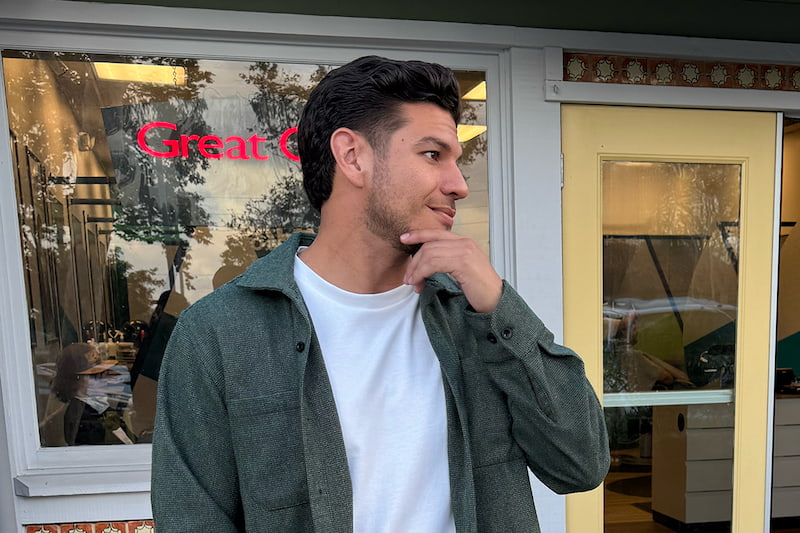
A taper changes your hair length gradually, moving from longer length at the top down to shorter hair near your natural hairline. Crucially, a traditional taper only shortens the hair at two specific points: your sideburns and your neckline. The hair above your ears stays longer.
Why the low taper fade is everywhere
The low taper fade has taken over haircut trends because it offers a clean, versatile option:
Subtle & Clean: It tightens up the edges around your ears and neck without removing natural density on the sides.
Works for All Hair Types: It complements straight, wavy, and naturally curly hair effortlessly.
Easy Grow-Out: Because it doesn't shave large areas down to the scalp, it grows out neatly over 4 to 6 weeks.
2. What is a fade? (low, mid, high, & drop fades)

Unlike a taper, a fade shortens the hair continuously all the way around the sides and back of your head. The hair blends seamlessly into shorter lengths or down to the skin (often called a skin fade or bald fade).
Where the blend begins determines the specific look:
Low Fade: The blend starts low just above the ears and neck. Subtle, professional, and classic.
Mid Fade: The blend starts around the temple, offering a balance of structure and contrast.
High Fade: The blend starts high up near the crown, creating strong vertical contrast.
Drop Fade: The fade line curves downward behind the ear to follow the natural contour of your head.
3. What is an undercut?
.jpg?language_id=1 ":A man with an undercut standing in front of a tree and smiling.")
An undercut hairstyle features a sharp, distinct boundary between the long hair on top and the short hair on the sides and back.
Unlike tapers or fades, there is no gradual blend in a classic undercut. The top section is kept significantly longer, while the sides are buzzed down to a single short guard length, creating a bold, high-contrast aesthetic.
How to choose the right men's hairstyle for you
Matching your haircut to your routine and style preference makes every salon visit seamless:
Choose a taper if:
You prefer a professional, classic look for school or work.
You want a low-maintenance style that doesn't require a salon visit every two weeks.
You like keeping natural weight and density on the sides of your head.
Choose a fade if:
You want a sharp, modern look that highlights your face shape.
You want to pair a fade with styles like a pompadour, textured crop, or buzz cut.
You don't mind getting touch-ups every 2 to 3 weeks to keep the edges crisp.
Choose an undercut if:
You wear long hair on top (slicked back, quiff, or man bun) and want maximum contrast.
You want a dramatic, edgy style with clear boundaries.
What to tell your stylist
When sitting down with your stylist, clear communication gets you the exact look you want:
1. Name the base style
Tell your stylist whether you want a taper, a fade, or an undercut.
2. Specify the height
If choosing a taper or fade, clarify where you want the blend to start (low, mid, or high).
3. Show a reference photo
Bring an image on your phone, or find a haircut you love in our Lookbook, so your stylist sees the look you want to recreate.
Pro Tip: When you visit Great Clips, your stylist saves your guard lengths, preferences, and style details directly into your Clip Notes profile. That means every Great Clips salon nationwide can replicate your ideal cut consistently every single time you sit in the chair.
Find Your Perfect Haircut at Great Clips
Ready for your next haircut? Whether you're looking for a subtle low taper fade, a sharp mid fade, or a bold undercut, your local Great Clips salon is ready to bring your ideal hairstyle to life. Skip the hassle of long waiting room stays. Use Great Clips Online Check-In® to view real-time wait times and add your name to the list before leaving home!
Find a salon
Frequently asked questions about tapers, fades, and undercuts
What is the main difference between a taper and a fade?
A taper gradually shortens hair only at two specific focal points, the sideburns and the neckline, while retaining length around the ears. A fade continuously blends hair all the way around the back and sides down to shorter lengths or bare skin.
How often should I get a haircut to maintain a fade vs. a taper?
Fades generally require touch-ups every 2 to 3 weeks to keep the high-contrast edges crisp. Tapers grow out more subtly and naturally, making them low-maintenance and allowing 4 to 6 weeks between salon visits.
Which haircut is best for my hair type and routine?
Tapers and low fades are versatile options that complement straight, wavy, and curly hair effortlessly while keeping natural density on the sides. Undercuts and high fades work best if you want strong visual contrast or style longer hair on top into a pompadour, quiff, or textured crop.